
Understanding Graphic Design
Graphic design joins visual parts to share ideas, guide attention, and prompt action. If you ask, “how do you do graphic design?”, start with the message. Then define the audience, format, and goal.
How graphic design works is simple at its core. A designer turns a need into a clear visual path. A poster may need quick attention. A report may need calm, easy reading.
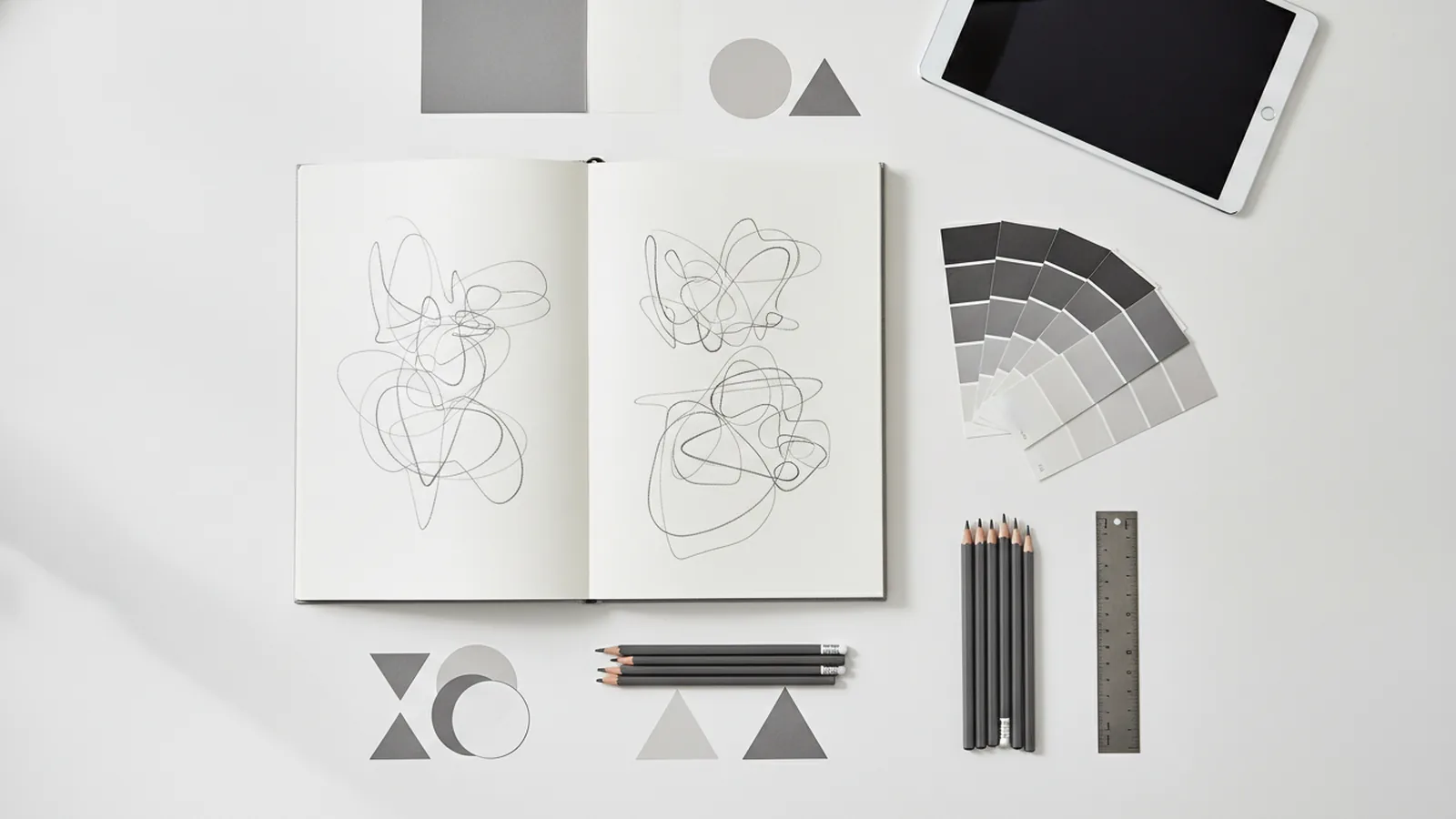
How do you graphic design well? First, study the brief. Next, gather content and references. Then sketch several layouts. Pick the strongest route, test it, and refine it.
- Define the audience and the action you want them to take
- Set limits for size, format, color, and time
- Build a rough layout before polishing details
- Ask for feedback from someone outside the project
Good design solves a communication problem. It does not fill space with extra decoration. Each choice should make the message easier to grasp.
Key Elements of Graphic Design
Color can set mood, show rank, and support a brand. Typography controls tone and helps readers scan. Space gives each part room to breathe.
Balance helps a layout feel stable. It may use even groups or bold contrast. Harmony comes from repeated shapes, colors, type styles, and spacing.
Color theory gives you a sound base for color choices. Test colors against the real background. Also check contrast for readers with low vision. The W3C accessibility guidelines offer clear checks for readable contrast.
Hierarchy tells readers where to look first. Use size, weight, position, and contrast to set that order. A headline may come first. A short summary and action can follow.
| Element | Useful question |
|---|---|
| Color | What mood or action should this color support? |
| Typography | Can readers scan and read this type with ease? |
| Space | Does each group have enough room around it? |
| Balance | Does the layout feel stable or active? |
| Harmony | Do the parts share a clear visual style? |
Types of Graphic Design
Branding shapes how an organization looks across public touchpoints. It can include a visual identity, logo rules, color choices, type, and image style.
Marketing design supports campaigns and sales. Designers create ads, social posts, email graphics, and event materials. Each piece should match the campaign goal and brand system.
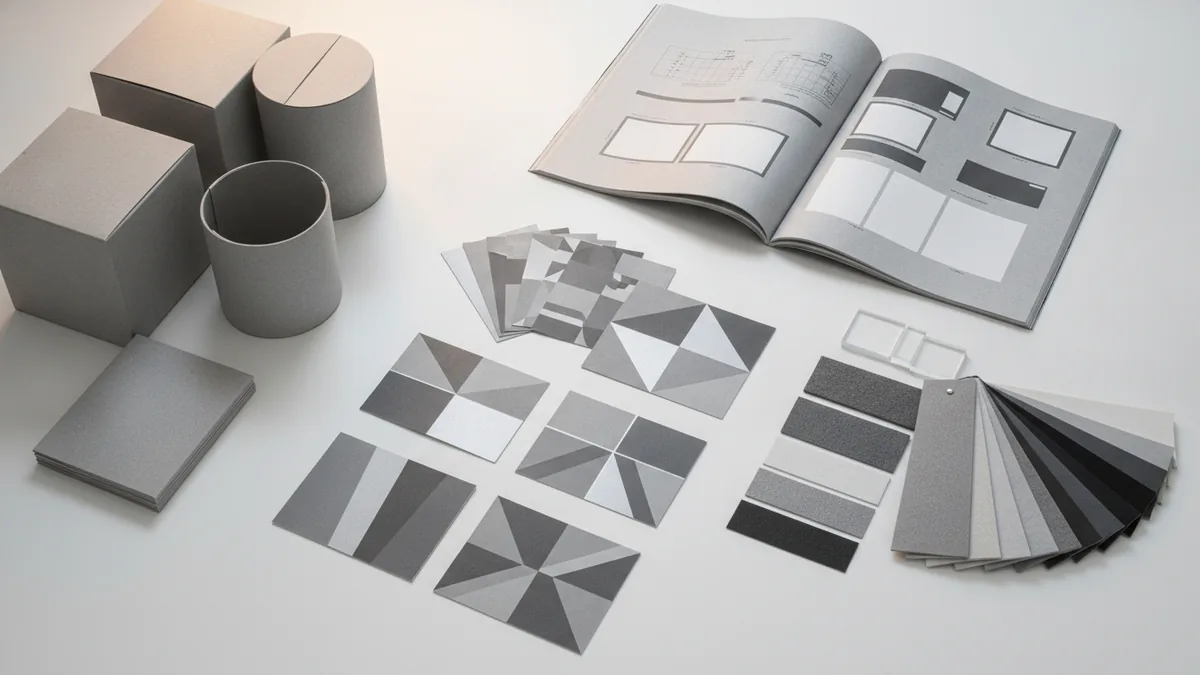
Publication design supports long-form reading. Books, magazines, reports, and digital guides need strong grids and page flow. If you wonder how to graphic design a book, begin with trim size, margins, type, and page order.
Packaging must work from a shelf view and a close view. It joins shape, material, labels, and required details. Digital products may also need visual design beside user experience design.
- Branding: builds a consistent public identity
- Marketing: supports campaigns and business goals
- Publication: organizes long-form content
- Illustration: explains ideas through custom art
- Packaging: helps products stand out and inform buyers
Essential Skills for Graphic Designers
Strong designers do more than use design software. They solve problems, explain choices, and act on feedback. Clients need useful results, not only attractive files.
Problem-solving starts with the brief. Ask what must change, who needs help, and how success will be judged. Storytelling then turns facts into a clear visual path.
Communication keeps projects moving. Write clear questions and share work at the right stage. Explain choices with plain reasons. A sound grasp of design principles makes those talks easier.
Learn one main design tool well. Then add tools as each project needs them. Practice layout, type pairing, image edits, and file setup.
- Break unclear briefs into goals, audiences, and deliverables
- Use type, color, space, and hierarchy with purpose
- Explain design choices in plain language
- Give and receive useful critique
- Prepare files for print, web, and social channels
Getting Started in Graphic Design
How to do graphic design starts with small, focused projects. Rebuild a poster, make a mock brand, or design a simple event card. Keep each project tied to one clear goal.
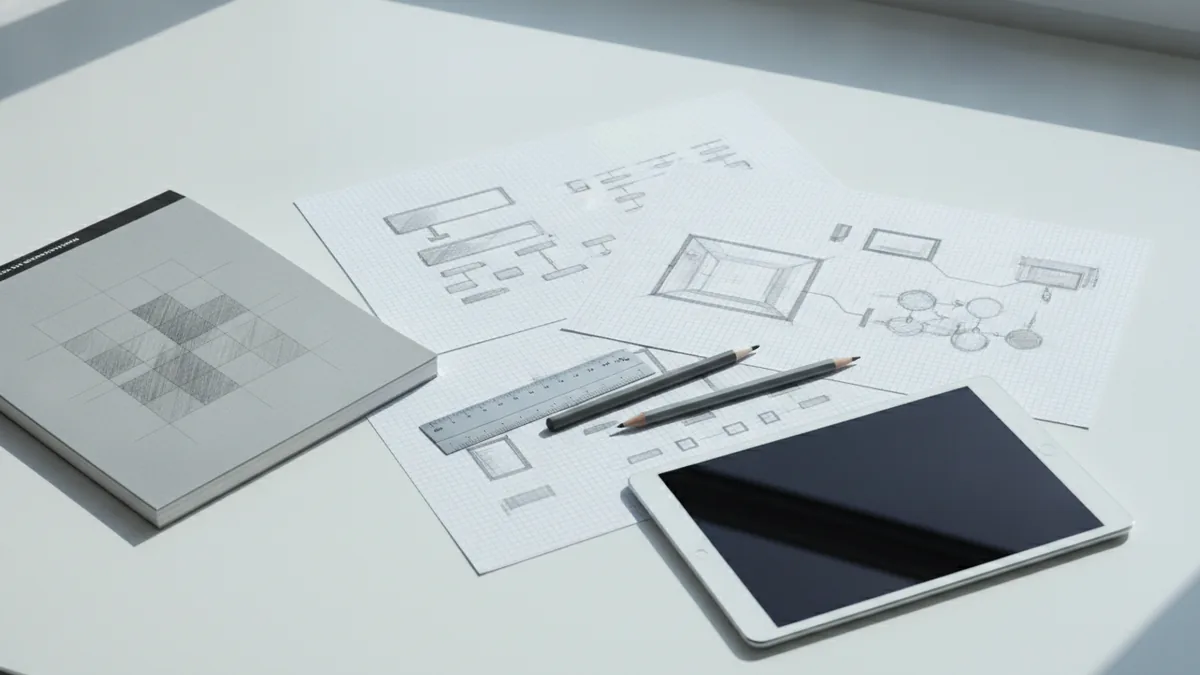
You can do graphic design on a laptop with a vector tool, a layout tool, or a browser app. Start with one tool and learn its basic controls. Your device matters less than practice and sound choices.
Many beginners ask how to get into graphic design with no experience. Create practice briefs for real needs, such as a café menu or a local event. Mark each project as self-led work.
To get graphic design experience, help a club, small group, or local shop. Agree on the task, due date, and file handoff first. Ask for permission before showing the work publicly.
How to put together a graphic design portfolio is a key career task. Pick five to eight strong projects. Show the brief, your choices, and the final result. A short case study proves how you think.
- Choose one design problem and write a short brief
- Research the audience and gather useful visual references
- Sketch three rough routes before opening your design tool
- Build one polished piece and check it at its final size
- Write a short case study with the problem and result
This path also answers how to get a graphic design job without experience. Employers may value clear thinking and strong samples over a long work history. Tailor each portfolio view to the role.
Finding Graphic Design Opportunities
How to find graphic design work depends on your offer and your reach. Choose a clear service, such as brand kits, social graphics, or book layouts. Then show related work in your portfolio.
To find graphic design clients, start with warm contacts. Tell past classmates, local firms, and community groups what you do. Share one useful sample instead of a broad list of skills.
How to get graphic design clients online takes steady proof. Keep a simple site with your work, process, price range, and contact path. Post useful breakdowns on a platform where your ideal clients spend time.
Freelancing can build trust and paid experience. Set a written scope before work begins. Include the number of concepts, revision rounds, file types, and due dates.
People also ask, “how much do graphic designers charge per design?” Prices vary by scope, skill, market, and use. A small social graphic may use a flat fee. A full identity needs a larger project price.
- Offer one clear service to one clear client group
- Show process notes beside finished work
- Ask happy clients for a short review
- Track leads, replies, calls, and paid projects
- Raise your rate when scope or demand grows
How has graphic design evolved over the years? Before computers, designers used paper, rulers, paste-up sheets, type shops, and printing plates. How was graphic design done before computers? Much of the work relied on hand tools and careful physical assembly.
Digital tools now speed up edits, sharing, and file delivery. The core work has not changed. Designers still need clear goals, strong hierarchy, and care for the reader.
These changes show how graphic design has evolved. New tools expand the options. They do not replace judgment, craft, or a useful idea.