
Introduction to Graphic Design
If you ask, “graphic design what is it,” the short answer is visual problem-solving.
Graphic design combines art, tools, and clear thinking. It helps people understand a message through planned visual choices.
Designers arrange type, color, images, shapes, and space. They create work for print, screens, products, and shared spaces.
So, what exactly is graphic design? It is a way to guide attention and support a clear goal.
Examples include posters, logos, websites, reports, adverts, packages, and signs. These items may look simple. Each one needs choices about audience, order, tone, and use.
Graphic design history reaches back to symbols, signs, books, and early print. New tools later changed how designers made and shared work.
Printing made visual messages easier to copy. Computers then made editing and publishing much faster.
Graphic design is not only digital. It includes paper, packaging, walls, screens, and physical objects.
Key Elements of Graphic Design
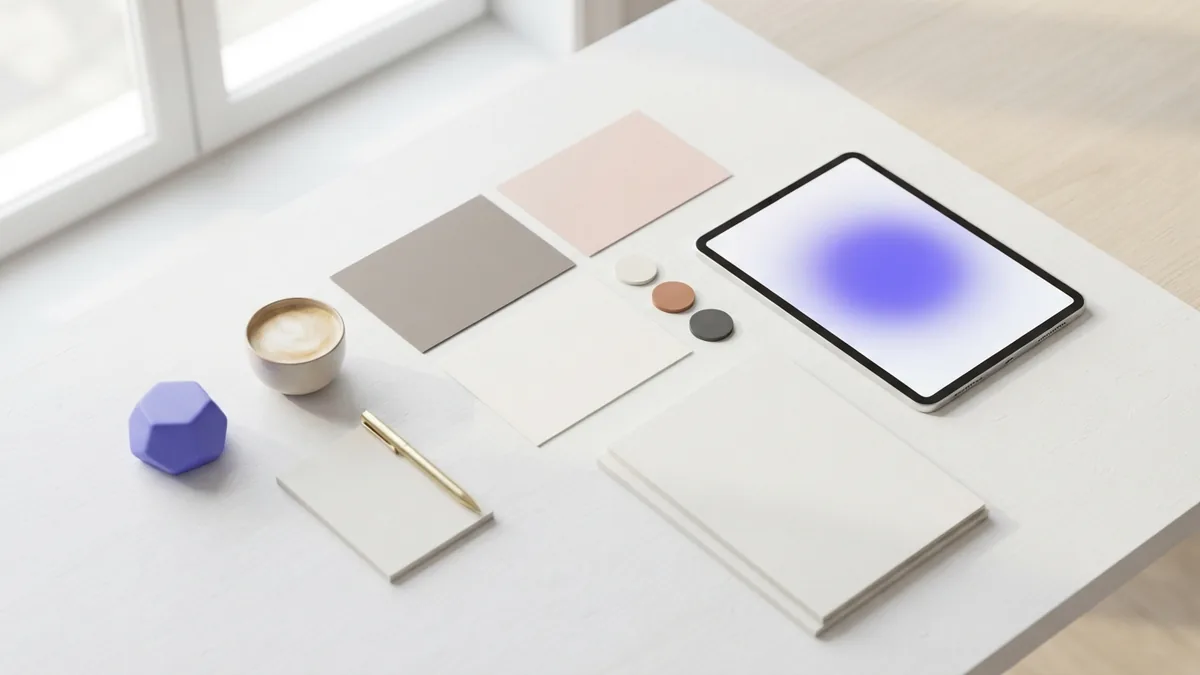
The elements of graphic design are the parts that make up a visual piece.
They work together rather than acting as separate rules. A small change in one element can change the whole message.
- Color: Color creates mood, groups content, and supports brand identity. Color theory helps designers choose useful color relationships.
- Line: Lines divide space, show direction, and connect related parts. They can feel calm, sharp, soft, or active.
- Shape and form: A shape is a flat area with a clear edge. Form suggests depth or volume through light, shade, or perspective.
- Texture: Texture adds a sense of surface or material. Use it with care, since heavy texture can hurt clarity.
- Space: Empty space gives content room to breathe. It also helps important details stand out.
- Images: Photos, icons, and illustrations can explain ideas quickly. They should support the message, not compete with it.
People often ask, “what is typography in graphic design?” Typography is the art of arranging type for meaning and ease of reading.
A typeface is a family of related letter shapes. A font is one style or file within that family.
Leading is the space between lines of type. Kerning adjusts space between two letters. Tracking changes space across a whole word or line.
A vector is artwork built from paths and points. It can grow or shrink without losing sharp edges.
Designers use vectors for logos, icons, and signs. Raster files work better for many photos and painted images.
Types and Applications of Graphic Design
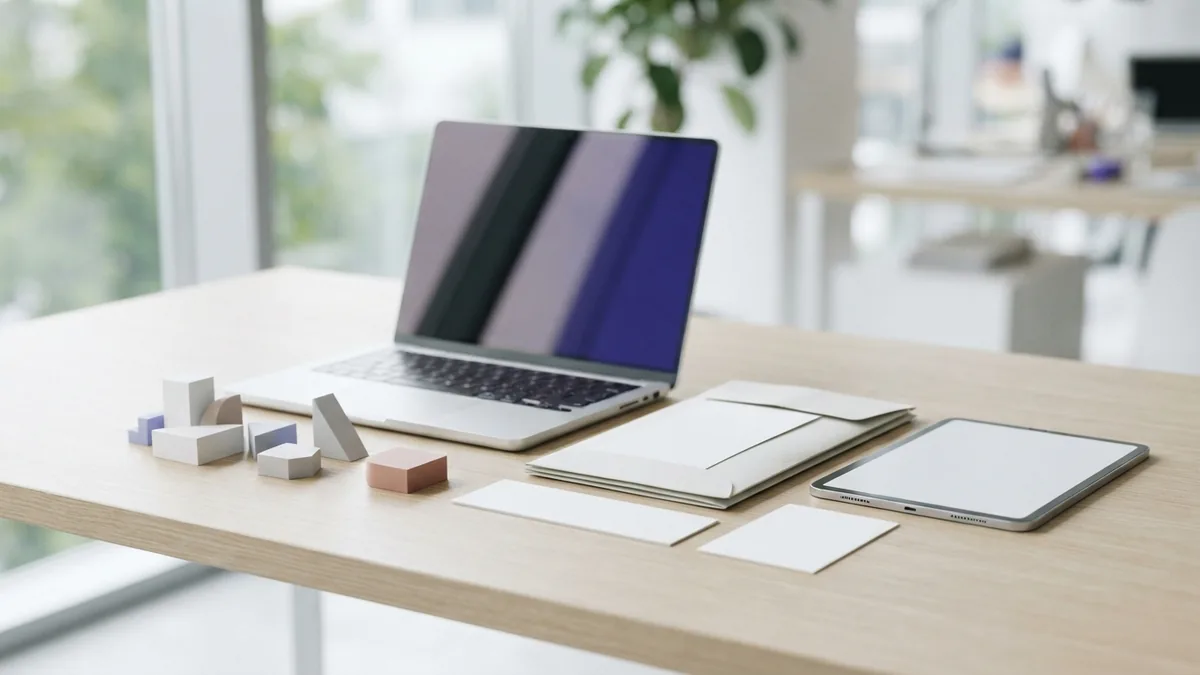
Graphic design covers many work areas. Each one serves a different message, audience, and setting.
- Branding and identity: Designers build logos, color systems, type choices, and brand guides.
- Marketing design: This field covers adverts, social posts, email graphics, and campaign work.
- Publication design: Books, magazines, reports, and brochures need clear page structure.
- Packaging design: Packages must attract attention and explain product details quickly.
- Web and digital design: Websites and apps need clear layouts across many screen sizes.
- Environmental graphic design: Signs and wayfinding systems help people move through shared spaces.
- Motion graphic design: This work adds movement to shapes, type, and images. It appears in adverts, films, and digital campaigns.
Web design focuses on sites and online experiences. It may include graphic design, content structure, and user experience design.
Illustration uses drawing or painting to explain, decorate, or tell a story. It is one part of graphic design in some projects.
Mockups help designers show work in a real setting. A package mockup can show artwork on a box. A poster mockup can show a design on a wall.
If you ask, “what is a mockup in graphic design,” think of it as a realistic preview.
What are mockups in graphic design used for? They help clients judge scale, placement, and feel before production.
Mockups do not replace final files. They support review and help reveal problems early.
The Role of Graphic Design in Communication

Good design helps viewers find meaning with less effort. It turns complex content into a clear visual path.
A report may use color to separate topics. Large headings can mark each new section.
Design also needs to fit its audience. A children’s poster needs a different tone from a bank report.
Clear design can build trust. It can also make a product easier to use and remember.
Graphic designers do more than make things look good. They study a brief, solve problems, test ideas, and prepare files.
That answers “graphic design what do they do?” They turn goals into useful visual systems.
They may work with writers, developers, printers, marketers, and product teams. Their work links ideas with the places where people see them.
- Who needs to understand this message?
- What should viewers notice first?
- What action or idea should remain after viewing?
These questions keep style from taking over the message. They also give designers a clear way to judge each draft.
Principles of Effective Graphic Design
What are the principles of graphic design? They are patterns that help visual parts work as one whole.
Balance spreads visual weight across a layout. What is balance in graphic design? It is a sense of visual steadiness, not equal size on both sides.
Contrast creates difference between parts. What is contrast in graphic design? It may use size, color, shape, or space to make key content stand out.
Hierarchy sets an order of importance. What is hierarchy in graphic design? It tells viewers where to look first, second, and third.
Alignment places edges or centers along shared lines. What is alignment in graphic design? It is the quiet structure that makes a layout feel ordered.
Proximity places related items near each other. What is proximity in graphic design? It shows which pieces belong to the same group.
Repetition repeats useful visual choices. What is repetition in graphic design? It builds a steady look across pages or screens.
Unity makes all parts feel connected. What is unity in graphic design? It means the colors, type, images, and layout support one purpose.
Composition describes how elements fit within the full frame. A grid gives designers guides for columns, rows, and margins.
A layout is the planned placement of content. A gutter is the space between columns or panels.
Emphasis gives one part more visual weight. Movement leads the eye through a design. Rhythm comes from repeated changes in size, space, or shape.
Proportion compares the size of parts. Value describes how light or dark a color appears.
Getting Started in Graphic Design
How to get better at graphic design starts with steady practice. Begin with small tasks that have clear goals.
- Copy strong layouts to study their spacing and order.
- Make three versions of one poster with different type choices.
- Limit each exercise to two typefaces and three colors.
- Ask someone to explain the message after five seconds.
- Review the result, then fix one clear weakness.
Learn the tools that match your work. Vector tools suit logos and icons. Page tools suit reports and books.
What are the best laptops for graphic design? Choose a laptop with a sharp screen, 16 GB of memory, and fast storage.
Which laptop is best for graphic design depends on your tools. A strong processor helps with large files. A dedicated graphics chip helps with motion work.
What is the best tablet for graphic design? Pick one with low pen delay, a good screen, and strong app support.
Build a small portfolio as you learn. Show the brief, your choices, and the final result.
Strong designers explain why they made each choice. That skill matters as much as polished visuals.
Study, Careers, and the Future of Graphic Design
Many schools offer graphic design degrees. A BFA is a Bachelor of Fine Arts degree with focused studio work.
What classes are required for graphic design? Common classes cover drawing, type, color, layout, branding, and design history.
Students may also study web design, motion, print, and portfolio building. Course lists vary by school.
What are good colleges for graphic design? Look for strong studios, useful feedback, current tools, and work placements.
What colleges offer graphic design? Art schools, universities, and some community colleges offer related programs.
Can you get a masters in graphic design? Yes. Some programs focus on research, teaching, leadership, or advanced studio work.
Can you get a PhD in graphic design? Yes, though these degrees are less common. They often focus on design research.
Can you minor in graphic design? Many colleges allow a design minor. Check each school’s course rules.
What are some careers in graphic design? Common paths include brand designer, art director, package designer, web designer, and motion designer.
What career cluster is graphic design in? In the United States, it often sits within arts, media, and communication groups.
Is graphic design a trade? It can be learned through practice, work, and an apprenticeship. It is also taught as an academic subject.
Is graphic design STEM? Most programs are not classed as STEM. Some blend design with computing, data, or engineering.
Is graphic design a fine art? It shares skills with fine art, but its goal often involves a client or clear message.
Is graphic design worth it? It can suit people who enjoy visual work, problem-solving, and feedback.
The field keeps changing as screens, tools, and media change. Its core task remains clear communication.
Resources for Learning Graphic Design
Start with design principles before chasing advanced effects. Learn to see spacing, contrast, order, and weak points.
Use real briefs to guide your practice. Set a goal, make a draft, test it, and explain your choices.
Study work from brand, print, product, and motion designers. Compare how each field handles the same message.
Keep a record of your process. Notes and early sketches can show growth better than finished work alone.
Graphic design rewards clear thought and regular practice. Learn the elements, use the principles, and solve real communication needs.