
Introduction to Graphic Design
Graphic design is a visual communication discipline. It combines art, tools, and clear thinking to share a message. A designer turns ideas into images, layouts, type, color, and shapes.
If you ask “graphic design what is it,” start with its purpose. A poster can promote an event. A logo can help people know a brand. A book page can make long text easier to read.
What exactly is graphic design? It is planned visual work made for a clear goal. It may inform, persuade, guide, or help people use a product. What counts as graphic design depends on the message, audience, and use.
Graphic design history reaches back to signs, symbols, cave art, and printed pages. Printing made visual messages faster to copy and share. Computers, the web, and mobile devices then changed the work again.
Graphic design is not only digital. It includes print, packaging, signs, books, screens, and physical spaces. It is also more than decoration. Good work makes meaning easier to see.
Key Elements of Graphic Design
The elements of graphic design are the parts used to build a visual piece. They include line, shape, form, color, texture, space, type, and images. Each part can change the mood and meaning of a design.
What is color in graphic design? Color adds mood, focus, and meaning. Color theory helps designers choose useful color groups. A warm color may feel active. A soft blue may feel calm.
What is line in graphic design? A line is a mark that can guide the eye. Lines may divide content, show motion, or frame a key area. What is shape in graphic design? A shape is a flat area with a clear outline.
What is form in graphic design? Form suggests depth and volume. Texture describes how a surface looks or feels. These elements can add warmth, contrast, and a sense of place.
What is typography in graphic design? Typography is the craft of arranging type. It covers type choice, size, spacing, and text shape. A typeface is the design of a letter set. A font is one style or file within that set.
What is a vector in graphic design? A vector is artwork built from paths and points. It can scale up without losing sharp edges. Vectors suit logos, icons, signs, and other work at many sizes.
- Color: Builds mood, meaning, focus, and brand recall.
- Typography: Gives words tone and supports easy reading.
- Line and shape: Guide attention and define visual structure.
- Space: Keeps content clear and prevents visual clutter.
- Texture and form: Add depth, contrast, and visual character.
Types and Examples of Graphic Design
Graphic design covers many forms of work. Branding design shapes how an organization looks and feels. It may include a logo, color system, type choices, packaging, and brand rules.
Marketing design supports a clear action. It includes ads, email graphics, social posts, landing pages, and sales sheets. Publication design covers books, reports, magazines, and newsletters.
Packaging design helps a product stand out. It also shows key details in a small space. Environmental graphic design shapes physical places through signs, maps, displays, and wayfinding.
What is motion graphic design? It is graphic design that uses movement over time. It can explain a service, add energy to a campaign, or guide viewers through a story. Animation often overlaps with this field.
Web design focuses on pages and online experiences. Interface design shapes screens, controls, icons, and visual states. User experience design looks at the full path people take through a product.
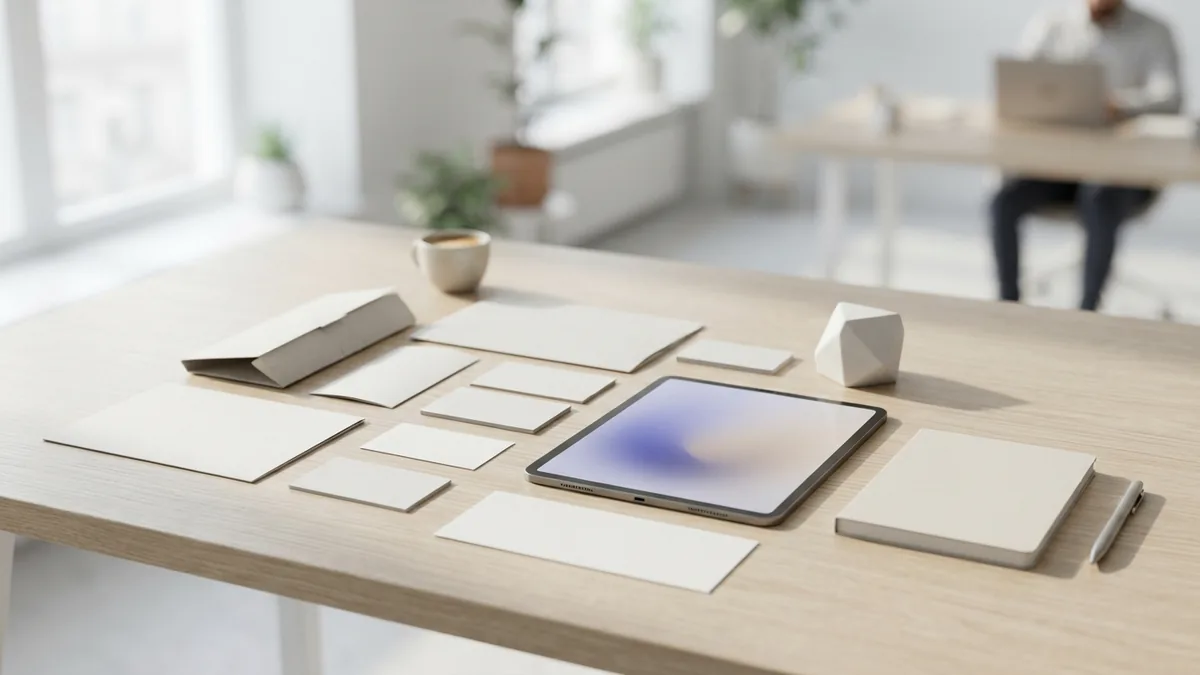
- Branding and identity: Creates a shared visual look for an organization.
- Marketing design: Helps campaigns gain notice and drive action.
- Publication design: Makes long content clear and inviting.
- Packaging design: Combines shelf appeal with useful details.
- Environmental design: Helps people find and understand places.
The Role of Graphic Design in Communication
People often scan before they read. Good design sets a path for that scan. It shows what matters first, what supports the point, and what action comes next.
Graphic design can also build trust. A clear layout can make a service feel reliable. Consistent colors and type can make a brand easier to recall. Poor spacing can make good content feel hard to trust.
What is a mockup in graphic design? A mockup is a realistic preview of a design in use. It may show a package, sign, phone screen, or printed page.
What are mockups in graphic design used for? Designers use them to test scale, context, and fit. They help clients judge the result before final delivery. A mockup does not replace the finished file.
Good design should also support access. Strong contrast helps people separate text from its background. The W3C accessibility guidelines offer a trusted basis for checking readable digital work.
Principles of Effective Graphic Design
What are the principles of graphic design? They are guides for how elements work as a whole. Common principles include balance, contrast, emphasis, movement, rhythm, repetition, proximity, alignment, proportion, and unity.
What is balance in graphic design? Balance spreads visual weight across a layout. It may feel even and calm. It may also feel uneven and active.
What is contrast in graphic design? Contrast creates a clear difference between parts. It can use size, color, shape, spacing, or type weight. Contrast helps key parts stand apart.
What is hierarchy in graphic design? Hierarchy sets the order in which people notice content. Size, position, color, and spacing can make a title lead. Body text can then come last.
What is alignment in graphic design? Alignment gives a layout shared edges and a sense of order. What is proximity in graphic design? Proximity groups related items and separates items with different roles.
What is leading in graphic design? Leading is the space between lines of text. What is kerning in graphic design? Kerning adjusts the space between two letters. Tracking changes space across a whole word or text block.
Repetition builds a steady visual rhythm. What is repetition in graphic design? It is the repeated use of colors, shapes, rules, or type styles. What is unity in graphic design? Unity is the feeling that all parts belong together.
What is composition in graphic design? Composition is the way all visual parts fit within a space. A strong composition gives each part a clear role. It also leaves enough room for the message to breathe.
| Principle | What it helps with |
|---|---|
| Emphasis | Draws focus to the most important part |
| Movement | Guides the eye through the design |
| Proportion | Sets useful size links between elements |
| Unity | Creates a clear and joined visual whole |
Getting Started in Graphic Design
New designers need creative skill and practical habits. They must solve problems, explain choices, and accept useful feedback. They also need comfort with design tools and software.
Start with small projects. Rebuild a poster, improve a simple page, or create a made-up brand. Keep each project focused on one goal. Then compare the result with the first draft.
How to get better at graphic design? Study strong work, then name the choices behind it. Test one change at a time. Practice type spacing, color pairs, layout, and image crops.
Choose tools that match your work. A laptop should have a sharp screen, enough memory, and fast storage. The best laptop for graphic design depends on your apps and file size. If you work with large images or motion, spend more on memory and graphics power.
Which laptop is best for graphic design? There is no single winner. A mid-range laptop suits many layout tasks. A stronger model helps with large files, 3D scenes, and video. Screen quality matters more than a flashy badge.
The best tablet for graphic design depends on how you draw. Look for a responsive pen, a good screen, and a size you can carry. A tablet can support sketching. It does not replace skill or clear design goals.
- Learn the basics: Study type, color, space, shape, and layout.
- Copy with care: Recreate useful designs to see how choices work.
- Make small projects: Build work for a clear audience and goal.
- Ask for feedback: Seek notes about clarity, flow, and visual focus.
- Build a portfolio: Show the problem, your process, and the final result.
Study Paths, Careers, and the Future
Graphic design is part of the broad arts, media, and communication industry. Graphic design is not usually classed as a trade. It is a skilled creative field with both academic and hands-on paths.
Is graphic design a fine art? It can share tools with fine art, but its goal often differs. Fine art may focus on expression. Graphic design usually serves a message, user, or business need.
Is graphic design digital art? Digital tools are common, but the field is not only digital. Print work, signs, packaging, and physical displays still count as graphic design.
What are some careers in graphic design? Options include brand designer, art director, web designer, package designer, publication designer, and motion designer. Some designers work in agencies. Others work in-house or as freelancers.
Good colleges for graphic design often teach drawing, type, layout, design history, and portfolio work. A BFA in graphic design is a Bachelor of Fine Arts degree. Some schools also offer a minor or a master’s degree.
Can you get a master’s in graphic design? Yes. Can you get a PhD in graphic design? Some schools offer research degrees in design or related fields. The right course depends on whether you want practice, teaching, or research.
Is graphic design worth it? It can be a good fit for people who enjoy visual problem solving. The field is competitive. Your portfolio, craft, speed, and ability to work with others all matter.
The U.S. Bureau of Labor Statistics overview of graphic designers describes common duties, work settings, and job data. It is a useful source when comparing career paths.
The future of graphic design will mix human judgment with faster digital tools. Designers will still need taste, clear thinking, and care for users. Tools can speed up drafts. They cannot define the right message alone.